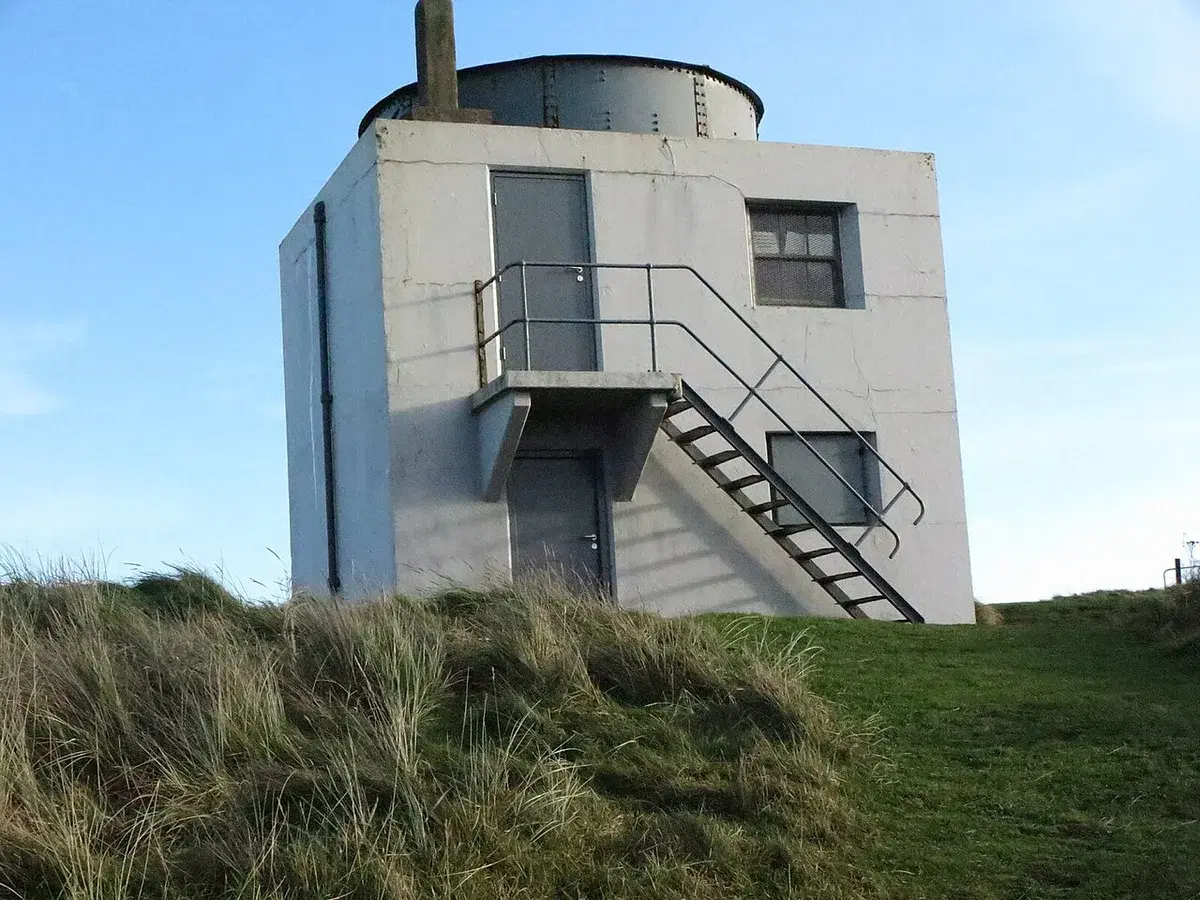
The History of Blyth
From a medieval salt port to Europe's largest coal exporter, through a secret submarine base and two world wars, to a modern town reinventing itself around offshore wind -- 900 years of Blyth's story.
900 Years at a Glance
The key moments that shaped Blyth from a medieval salt port into a modern coastal town.
Medieval Salt Port
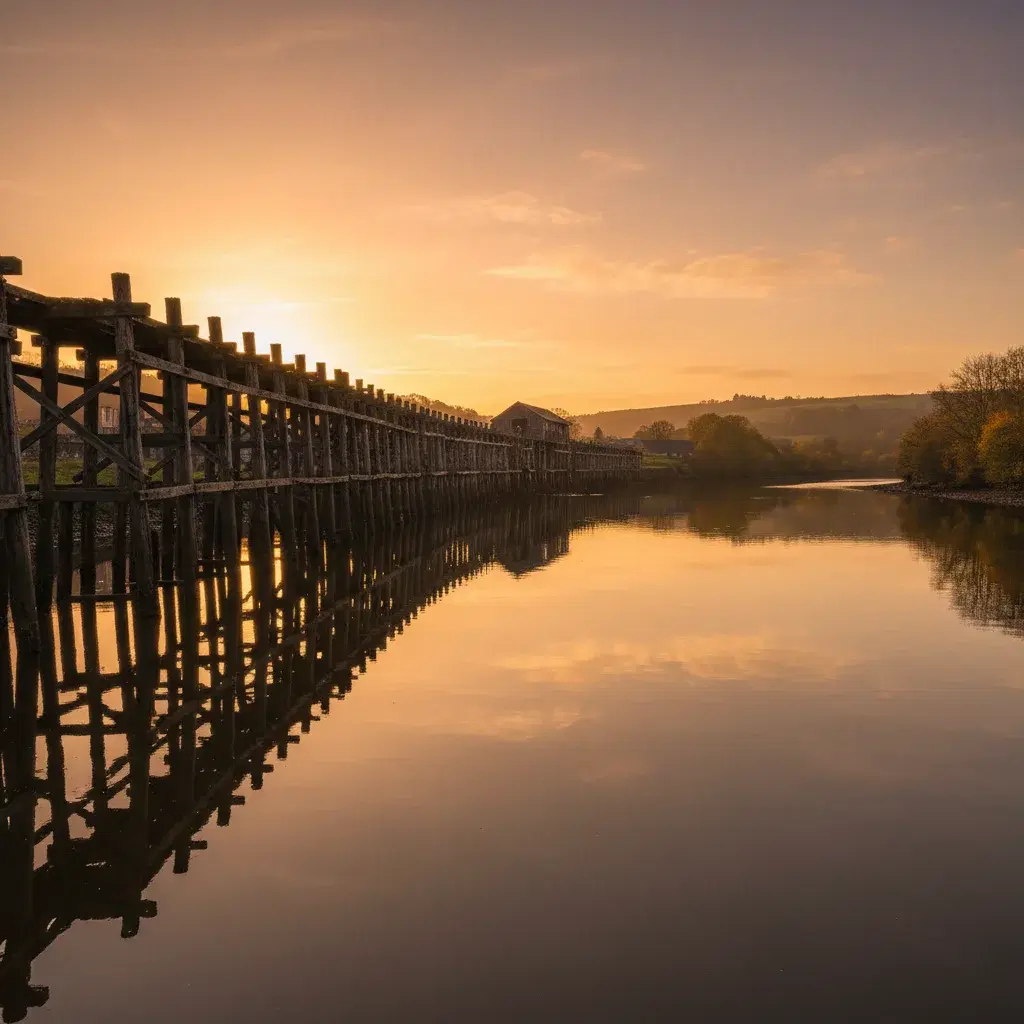
Monks from Tynemouth Priory exported salt from the River Blyth estuary. A small fishing settlement grew around the sheltered harbour, trading salt and serving the agricultural hinterland for centuries.
Read the full story →The Coal Trade
Coal mining at Cowpen and Bebside expanded rapidly from the sixteenth century. By 1609, over 21,000 tons of coal were shipped from Blyth. The first coal staith was built in 1788, and the harbour grew to become one of the busiest on the Northumberland coast.
Read the full story →Blyth and Tyne Railway
The Blyth and Tyne Railway connected six collieries to the port, transforming coal shipments. New staithes were built to handle the ever-increasing flow, and Blyth grew from a small harbour town into a major industrial port.
Read the full story →Ridley Park Opens
At the height of Blyth's coal prosperity, Viscount Ridley gifted a public park to the town. Ridley Park remains the green heart of Blyth, with formal gardens, a bandstand, play areas, and a free water play area in summer.
Blyth Battery and Coastal Defences
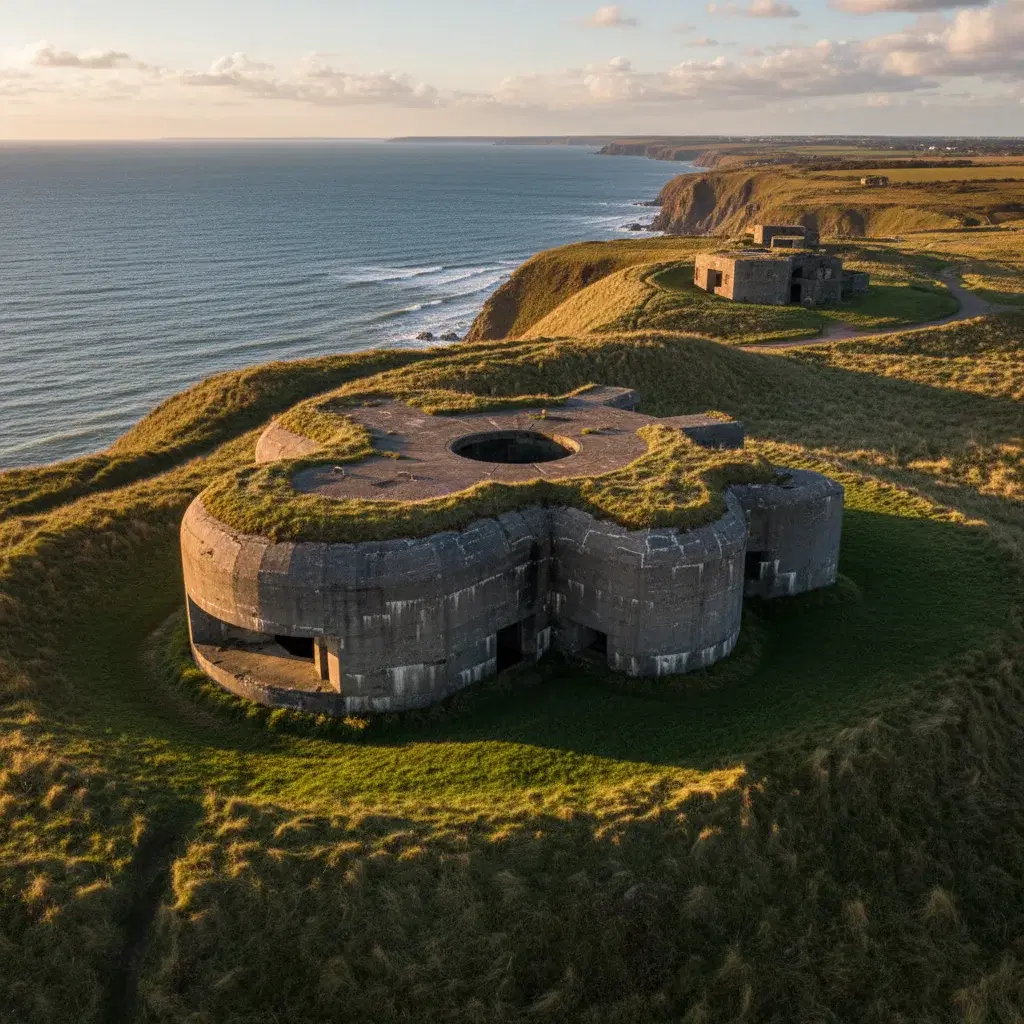
The Admiralty built a coastal artillery battery on Blyth Links to defend the harbour's vital coal shipping lanes during the First World War. The battery's rotating observation post is believed to be the only one of its kind surviving anywhere in the world.
Read the full story →Submarine Base and World War II
Blyth became home to the Royal Navy's Sixth Submarine Flotilla, one of the most secret naval installations in Britain. The harbour also produced warships and protected east coast convoys. The Battery was reactivated to defend the coast.
Read the full story →Coal Decline
The collieries that had sustained Blyth for two centuries closed one by one. Bates Colliery, the last deep mine in the area, closed in 1986. The staithes fell silent, and the town faced the painful challenge of finding a new identity.
Read the full story →Port Diversification
The port reinvented itself, handling biomass, offshore energy components, and general cargo. The Spirit of the Staithes sculpture was installed on the quayside in 2002, a striking memorial to the coal trade that built the town.
Read the full story →Offshore Wind and Regeneration
Blyth is at the centre of the UK's offshore wind industry. The port serves wind farm operations, and the Catapult research centre develops next-generation turbine technology. The Northumberland Line railway reopened in 2024, reconnecting Blyth to Newcastle for the first time in decades.
Read the full story →Heritage Articles
In-depth stories about the people, buildings, and events that shaped Blyth.
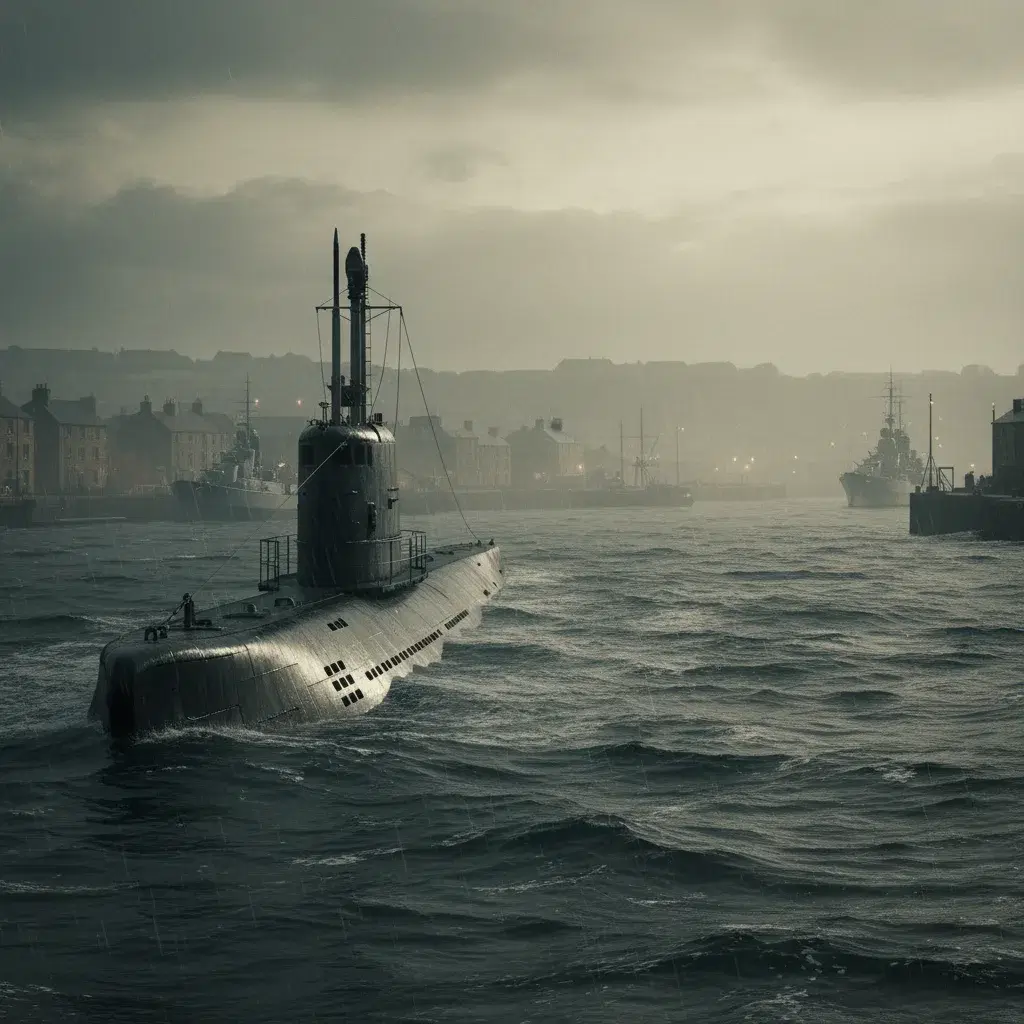
Blyth Submarine Base: The Secret War Beneath the Harbour
How Blyth became home to the Sixth Submarine Flotilla, the worst losses of any British flotilla, and a training ground for most of the submariners who fought in WW2.
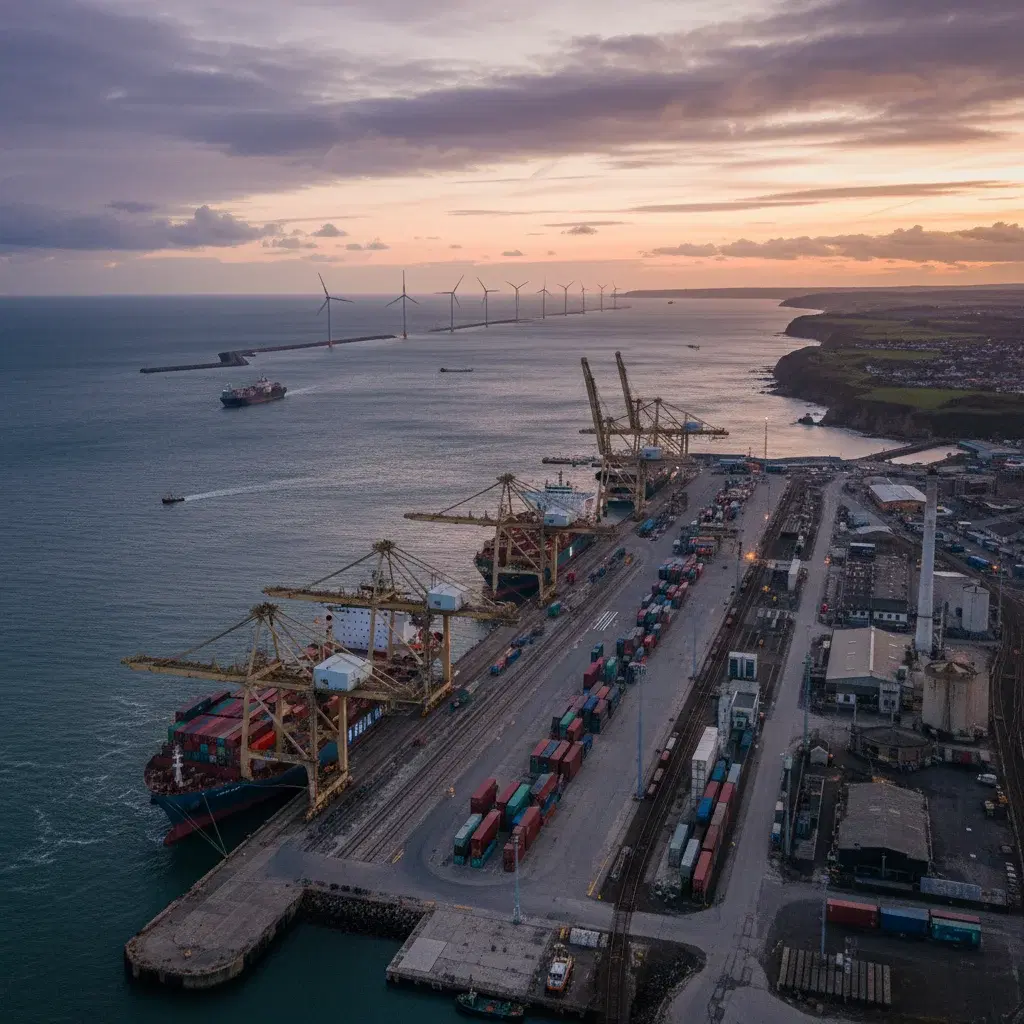
History of Blyth Port: From Coal to Clean Energy
From medieval salt monks to three million tons of coal a year to the UK's first offshore wind farm, the remarkable transformation of Blyth's port.
The Blyth Battery: A Visitor's Guide
The most intact coastal defence battery on the North East coast, run by King's Award-winning volunteers. Free entry, guided tours, April to September.
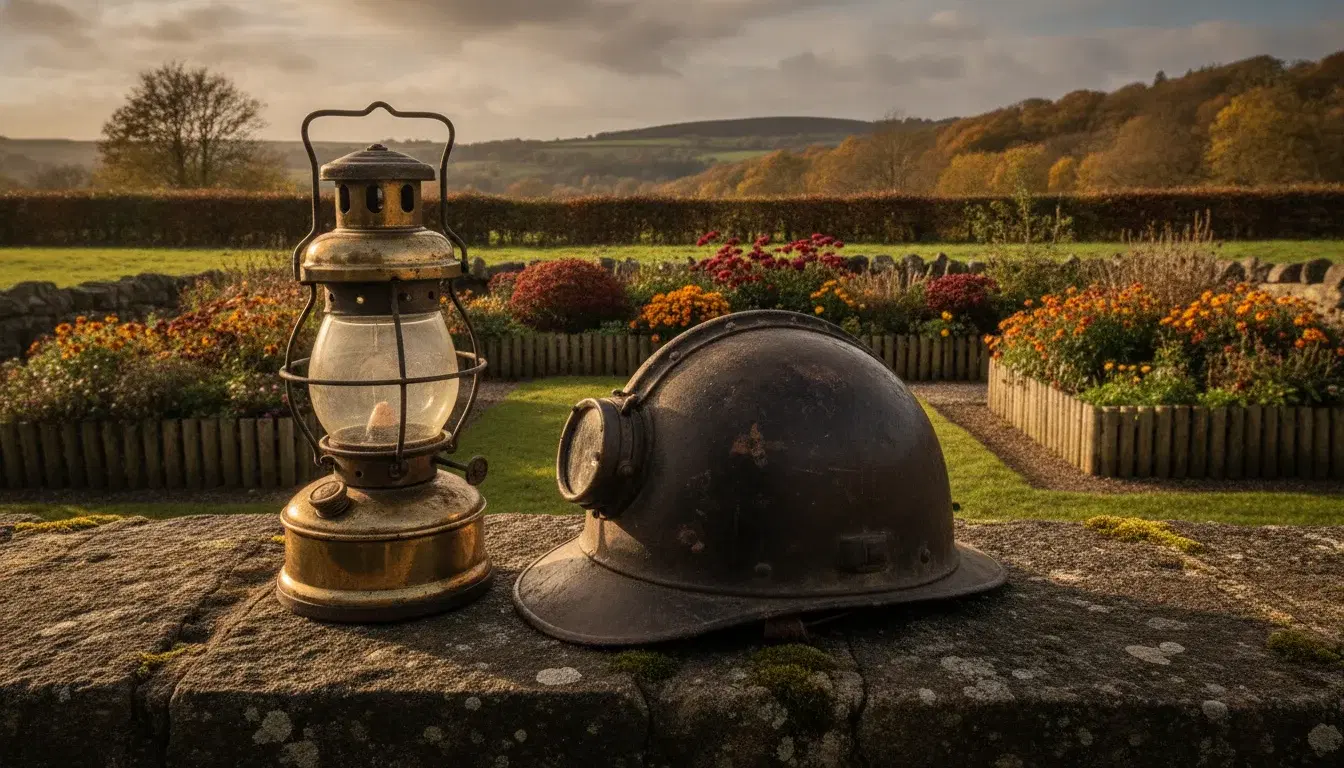
Blue Plaque Unveiled for the Miners of North Farm in Blyth
A blue plaque and information lectern now mark the North Farm Miners' Memorial Garden, on the old path generations of miners walked to and from Bates Colliery.

The Lost Buildings of Blyth
From the power station chimneys that dominated the estuary to vanished cinemas, coal staithes and the Theatre Royal, here are the Blyth landmarks that time and the demolition men took away.

The History of Blyth's High Street and Shopping Streets
How Blyth's town centre grew from a Cowpen suburb into a busy shopping quarter. The story of Waterloo Road, the Market Place, Bridge Street and the Keel Row.

Interesting Facts About Blyth
From the UK's first offshore wind farm to a giant-killing FA Cup run, an inland lighthouse and a secret submarine base, here are the stories that make Blyth so distinctive.
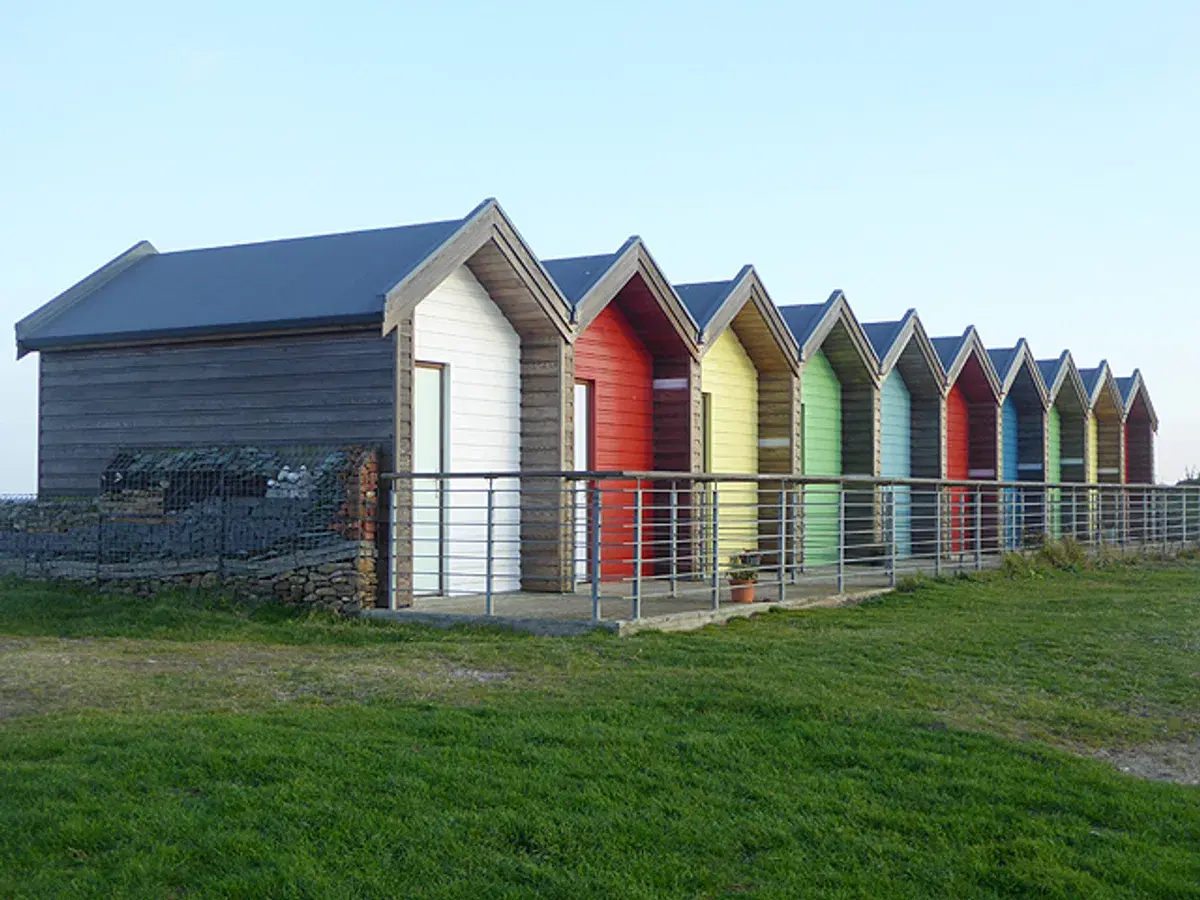
Blyth on Screen: Film and TV Locations
Vera brought its cameras to Blyth beach, and the wider Northumberland coast has doubled for the detective's fictional patch for more than a decade. A guide to the film and TV made along our shore.
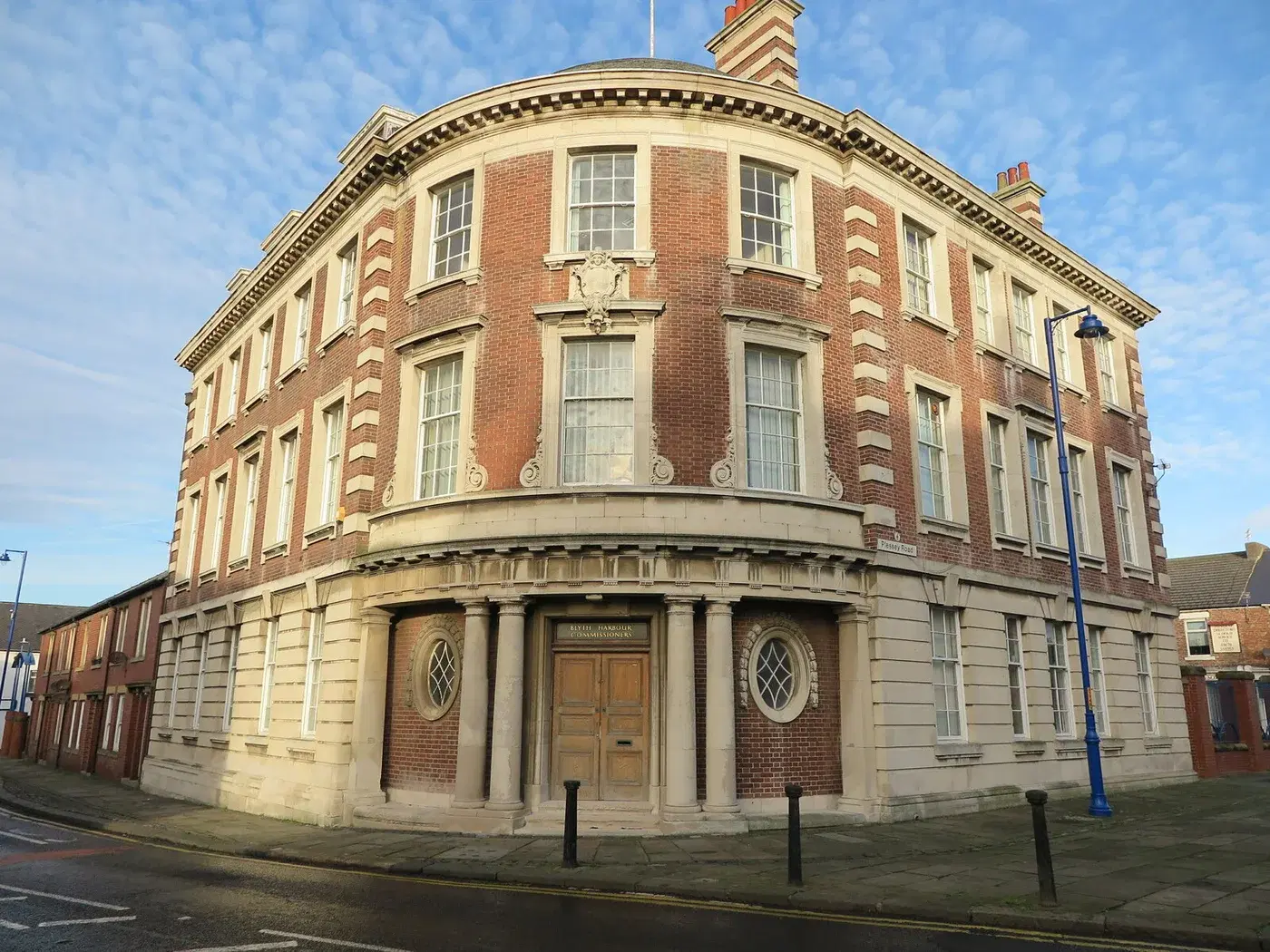
Blyth's Finest Historic Buildings: The Old Police Station and Harbour Commissioners' Offices
A guide to three of Blyth's most striking listed buildings, from the derelict but magnificent old police station to the Harbour Commissioners' Offices with their ship's-wheel staircase.
Historic Trades and Crafts of Blyth
Coal mining, shipbuilding, salt panning, rope making, and fishing -- the industries that built Blyth from a medieval salt port into one of Europe's largest coal-exporting harbours.
Blyth's Shipbuilding Heritage
From wooden sailing ships in 1811 to corvettes, frigates, and the Royal Navy's first seaplane carrier -- the story of Blyth's shipyards and the workers who built them.
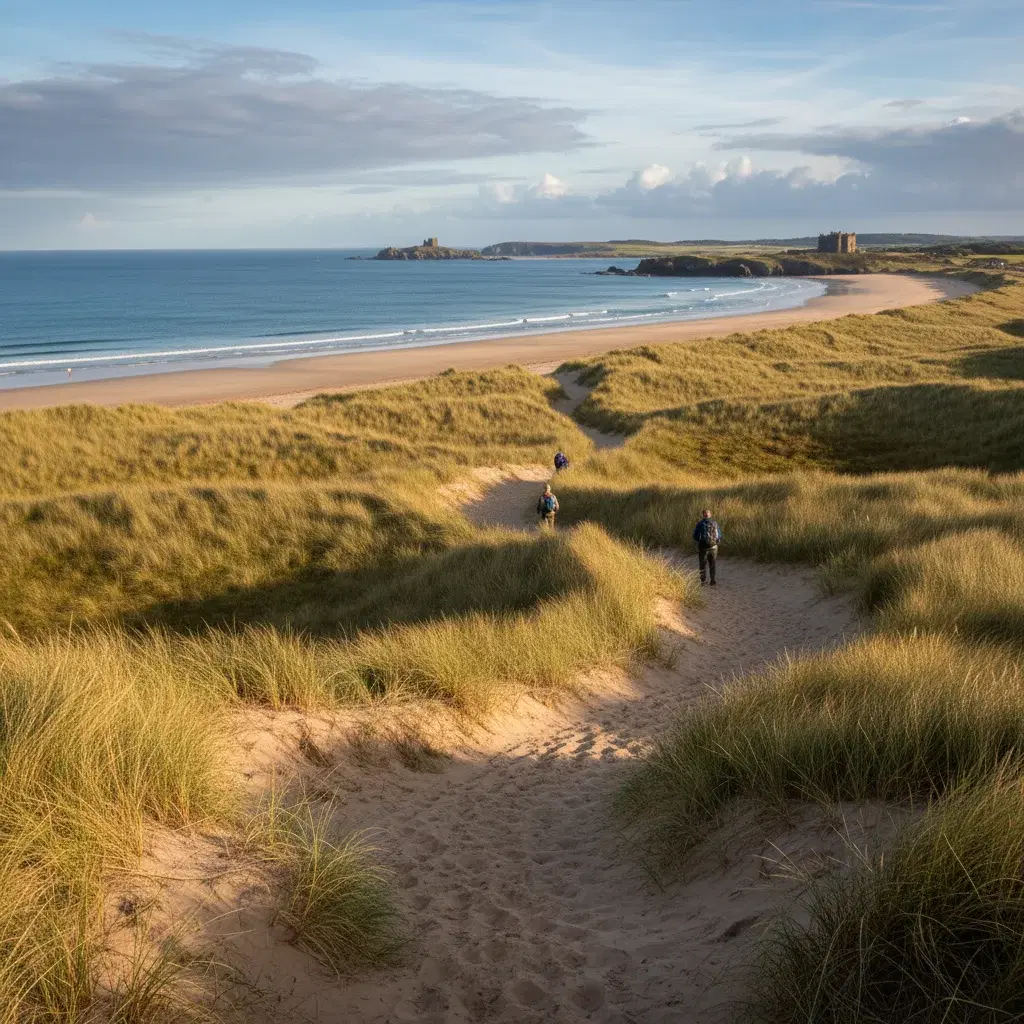
Heritage Walking Trail: Blyth
A 3.5-mile walking trail through 900 years of Blyth's history -- from the medieval port and coal staithes to the wartime battery, Ridley Park, and the offshore wind turbines that define the town's future.
History of Blyth
From a medieval salt port to Europe's largest coal exporter, through shipbuilding, two world wars, and the closure of the pits -- the story of Blyth, Northumberland.
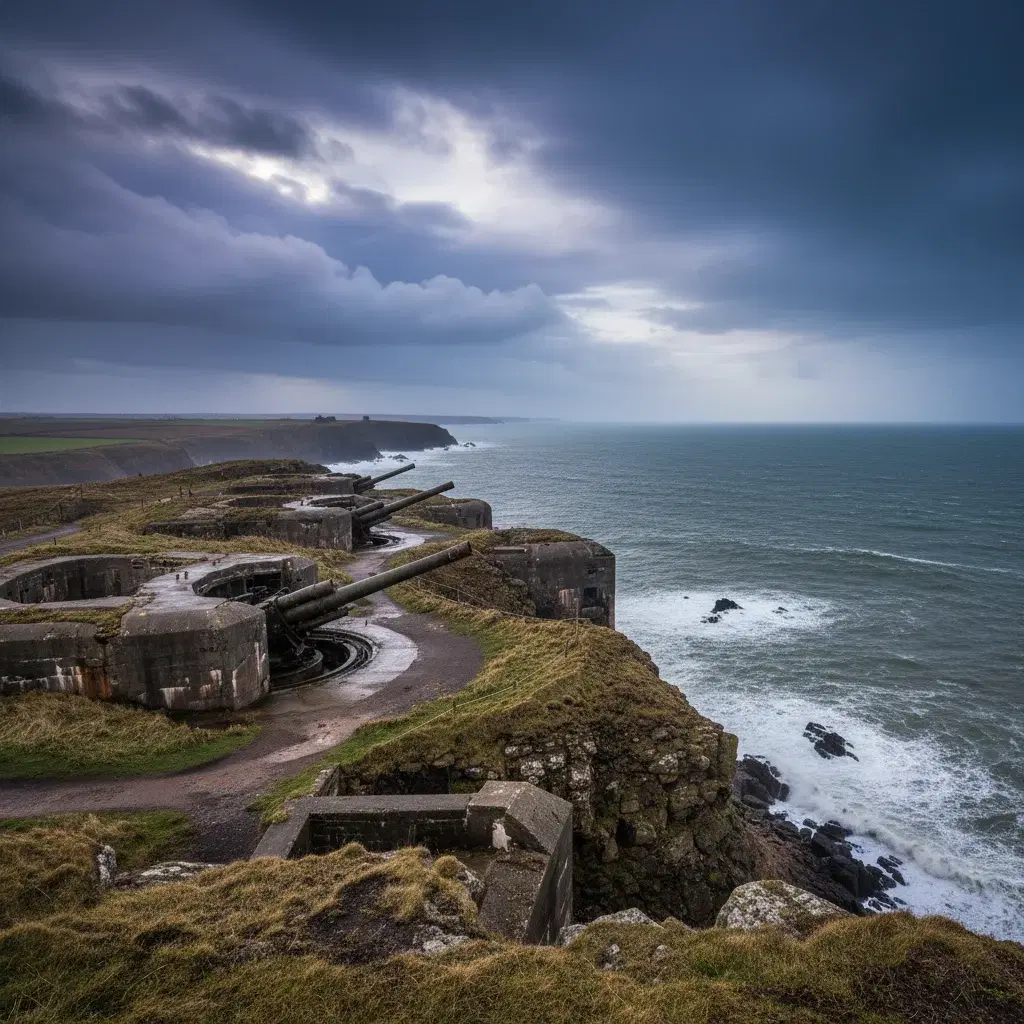
Blyth's Wartime History
Coastal guns, a secret submarine base, warship production, and a harbour that helped protect Britain's east coast convoys -- how Blyth served in two world wars.
The Staithes and Coal Heritage of Blyth
Coal staithes, the Blyth and Tyne Railway, six collieries, and the pit villages that grew around them -- the coal heritage of Blyth, Northumberland.
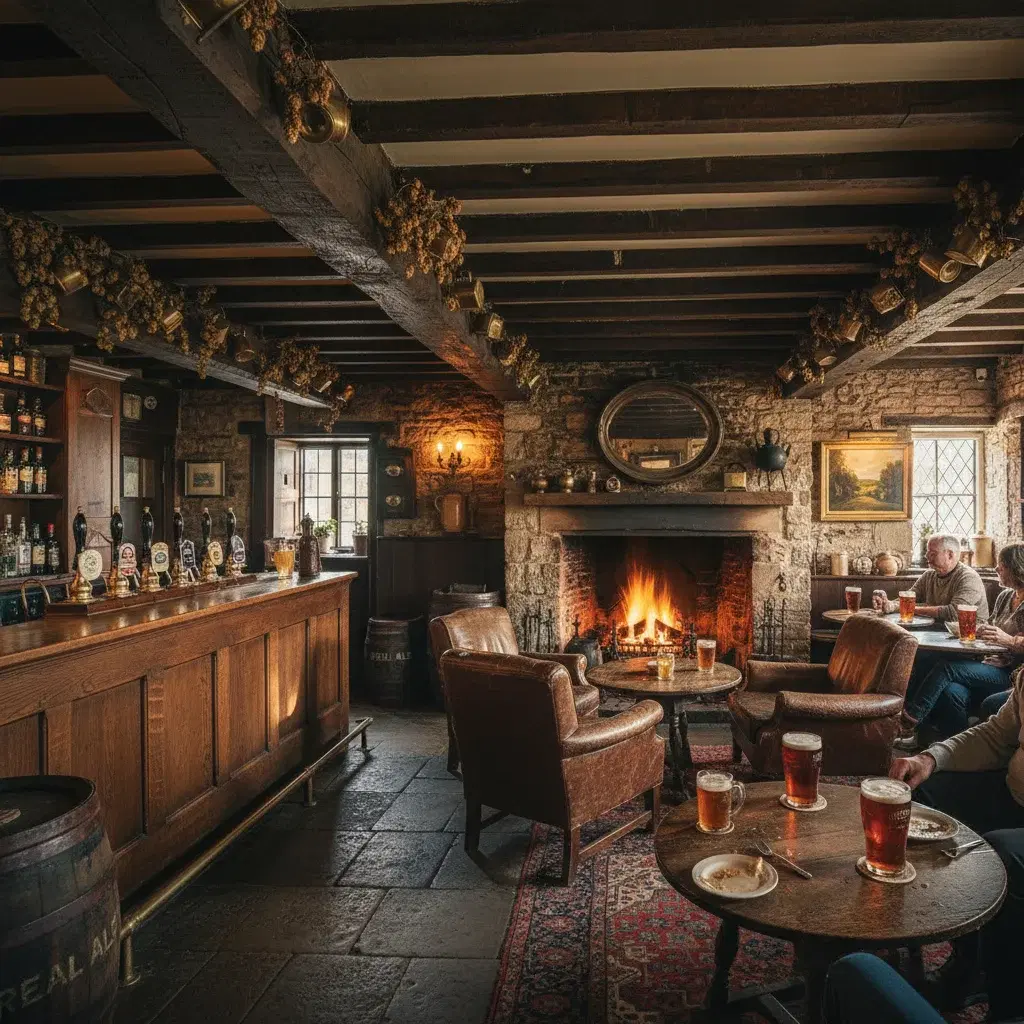
The Oldest Pubs in Blyth
From the Waterloo in 1827 to a Wetherspoon in an Art Deco cinema, the oldest pubs still serving in Blyth.
Famous People from Blyth
From a Munitionettes' Cup football legend to a Blues Hall of Famer, the famous people of Blyth, Northumberland.
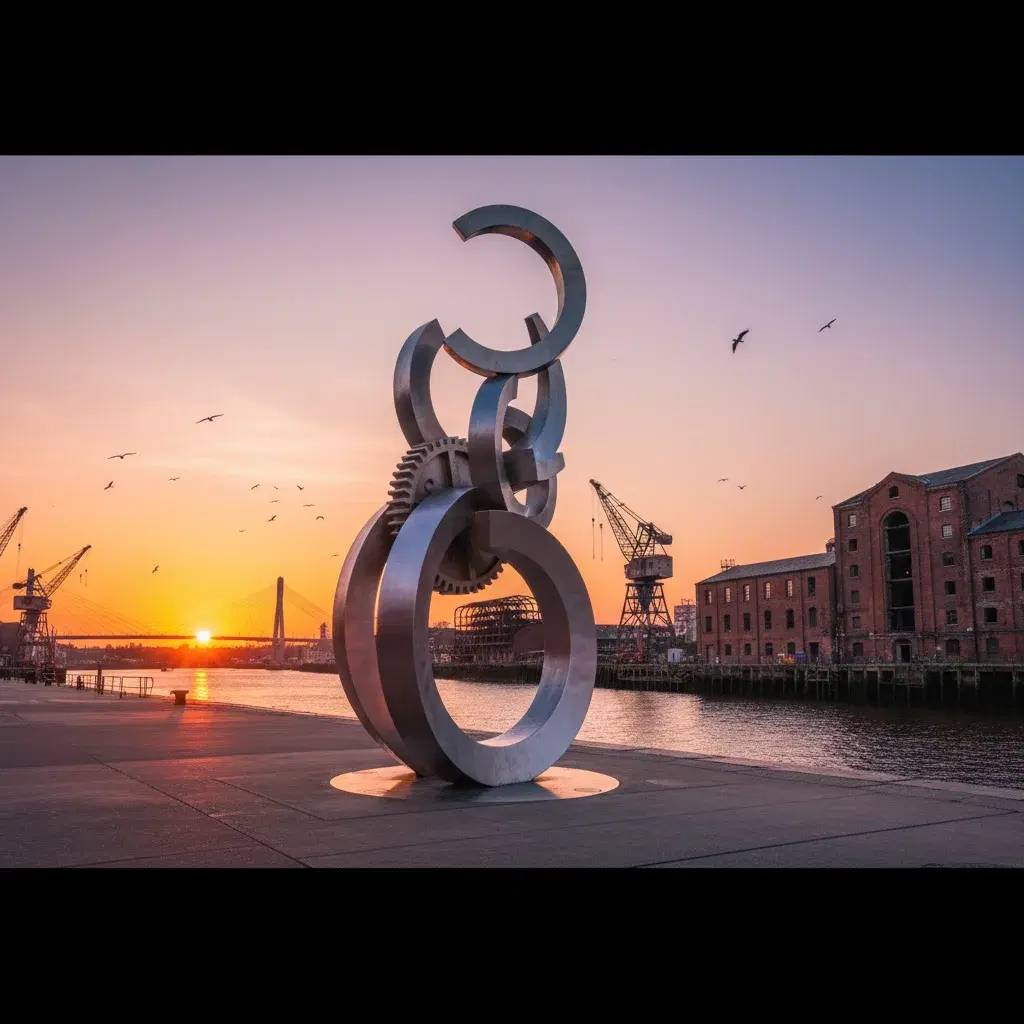
The Spirit of the Staithes: Blyth's Quayside Landmark
A 16-metre polished steel sculpture that reveals a life-size steam train when viewed from the right angle, commemorating Blyth's coal shipping heritage.