Historic Trades and Crafts of Blyth
Coal mining, shipbuilding, salt panning, rope making, and fishing -- the industries that built Blyth from a medieval salt port into one of Europe's largest coal-exporting harbours.
Blyth was built by coal. The town's identity, its growth from a small estuary settlement to one of the most important ports in Britain, and the lives of generations of its people were shaped by the coal industry and the trades that served it. When the mines and shipyards closed, Blyth was left with the most difficult question any industrial town faces: what comes next?
Coal Mining
Coal was Blyth's defining industry. Mining began in the area in the medieval period, but it was the expansion of the 19th century that transformed the town. Six collieries served the port, and a network of railway lines and coal staithes connected the mines to the harbour.
By 1930, the port of Blyth was exporting 5.5 million tons of coal per year. By the early 1960s, the figure had reached its peak at over six million tons, making Blyth one of the largest coal-exporting ports in Europe.
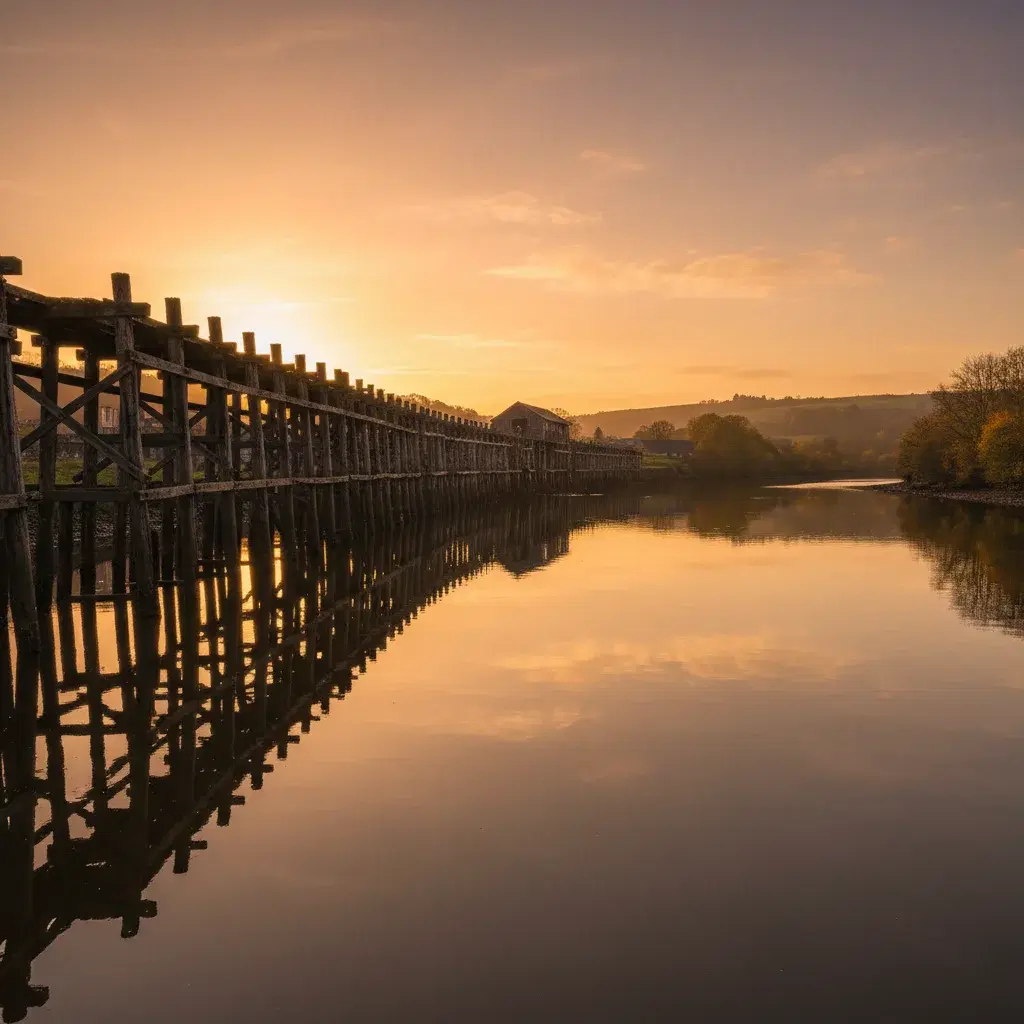
The coal staithes -- massive timber structures from which coal was tipped directly into the holds of waiting ships -- were the defining feature of the harbour. The last of the original staithes has gone, but the Spirit of the Staithes sculpture at Commissioners Quay recalls their form.
The miners who worked the six collieries lived in the tight-knit pit villages that surrounded Blyth -- Cowpen, Newsham, New Delaval -- communities whose social life revolved around the working men's club, the welfare institute, the allotment, and the pit.
Best for: At its peak in the early 1960s, Blyth was exporting over six million tons of coal a year -- one of the largest volumes of any port in Europe.
Shipbuilding
Shipbuilding in Blyth dates from 1748. The industry grew alongside the coal trade, since the port needed ships to carry the coal away, and it made sense to build them locally.
At its peak, the Blyth Shipbuilding and Dry Docks Company was one of the largest shipbuilding yards on the North East coast, with five dry docks and four building slipways. During the First World War, a cargo ship under construction at the yard was purchased by the Admiralty and converted into HMS Ark Royal, the world's first seaplane carrier, which served at Gallipoli.
During the Second World War, the Blyth yards built ten minesweepers, nine corvettes, and seven frigates for the Royal Navy. The Blyth Shipbuilding Company closed in 1967 after five years of losses, marking the end of more than two centuries of shipbuilding on the river.
Salt Panning
Salt manufacture was Blyth's oldest industry, dating back to at least the 12th century. Seawater was boiled in large iron pans heated by coal to evaporate the water and leave behind the salt crystals. The salt was used for preserving fish and meat -- essential before refrigeration.
The salt pans needed huge quantities of fuel, which is why they were located near coal mines. Blyth's combination of coal and coastline made it an ideal location. The industry declined through the 19th century as cheaper rock salt from Cheshire undercut the local product, and the pans eventually closed.
Best for: Salt panning in Blyth dates to the 12th century -- it was the town's first industry, predating the coal boom by several hundred years.
Rope Making
Rope making was one of the supporting trades that the coal and shipping industries required. Ships needed enormous quantities of rope for rigging, mooring, and cargo handling, and the rope walks where rope was made were a common feature of port towns.
A rope walk was a long, narrow space -- sometimes several hundred metres long -- where fibres of hemp or manila were twisted into rope by workers walking backwards along the length of the walk. Blyth had rope walks serving its shipping industry, though the trade declined as wire rope and synthetic materials replaced natural fibre.
Fishing
Fishing was a smaller but persistent industry in Blyth. The harbour provided shelter for fishing boats, and the catch supplied the local market. Fishing never dominated Blyth's economy in the way it did at North Shields or Cullercoats, but it was a steady presence alongside the coal and shipping trades.
The Bedlington Ironworks
Just inland from Blyth, the Bedlington Ironworks produced the wrought iron rails that were used on some of the earliest railways in the world, including George Stephenson's Stockton and Darlington Railway. The ironworks' "Bedlington Rail" was a distinctive design that became a standard for early railway construction. The works also produced nails, chains, and other iron goods.
Evidence That Remains
- Commissioners Quay: The harbour area preserves the layout of the coal port, and the Spirit of the Staithes sculpture recalls the timber coal-loading structures.
- Blyth Battery: The coastal defence museum preserves the wartime heritage of a town that was a legitimate military target because of its coal exports and shipyards.
- Pit village streets: The terraced housing in Cowpen, Newsham, and New Delaval was built to house the colliery workforce and preserves the layout of a working pit community.
- St Cuthbert's Church: The medieval parish church in the town centre predates the coal boom and connects Blyth to its origins as a small salt-panning settlement.
- The port: Blyth harbour remains an active commercial port, now focused on offshore wind turbine assembly rather than coal.
Frequently Asked Questions
What was Blyth's main industry?
Coal mining and coal export were Blyth's dominant industries. By the early 1960s, the port was exporting over six million tons of coal a year, making it one of the largest coal ports in Europe.
Was there shipbuilding in Blyth?
Yes. The Blyth Shipbuilding and Dry Docks Company operated from the 18th century until 1967. During the First World War, it built HMS Ark Royal, the world's first seaplane carrier. During the Second World War, it built minesweepers, corvettes, and frigates for the Royal Navy.
What evidence of historic trades remains in Blyth?
Commissioners Quay preserves the coal port layout, the Spirit of the Staithes sculpture recalls the coal-loading structures, and the terraced pit village streets in Cowpen and Newsham were built for colliery workers. Blyth Battery records the wartime importance of the port.
Local businesses mentioned
Never miss what’s on
Join the weekly Blyth.live digest — the best events, news and local tips, straight to your inbox. Free, one email a week.